The Importance of Protein Supplements When Working Out

True Digital • February 19, 2026

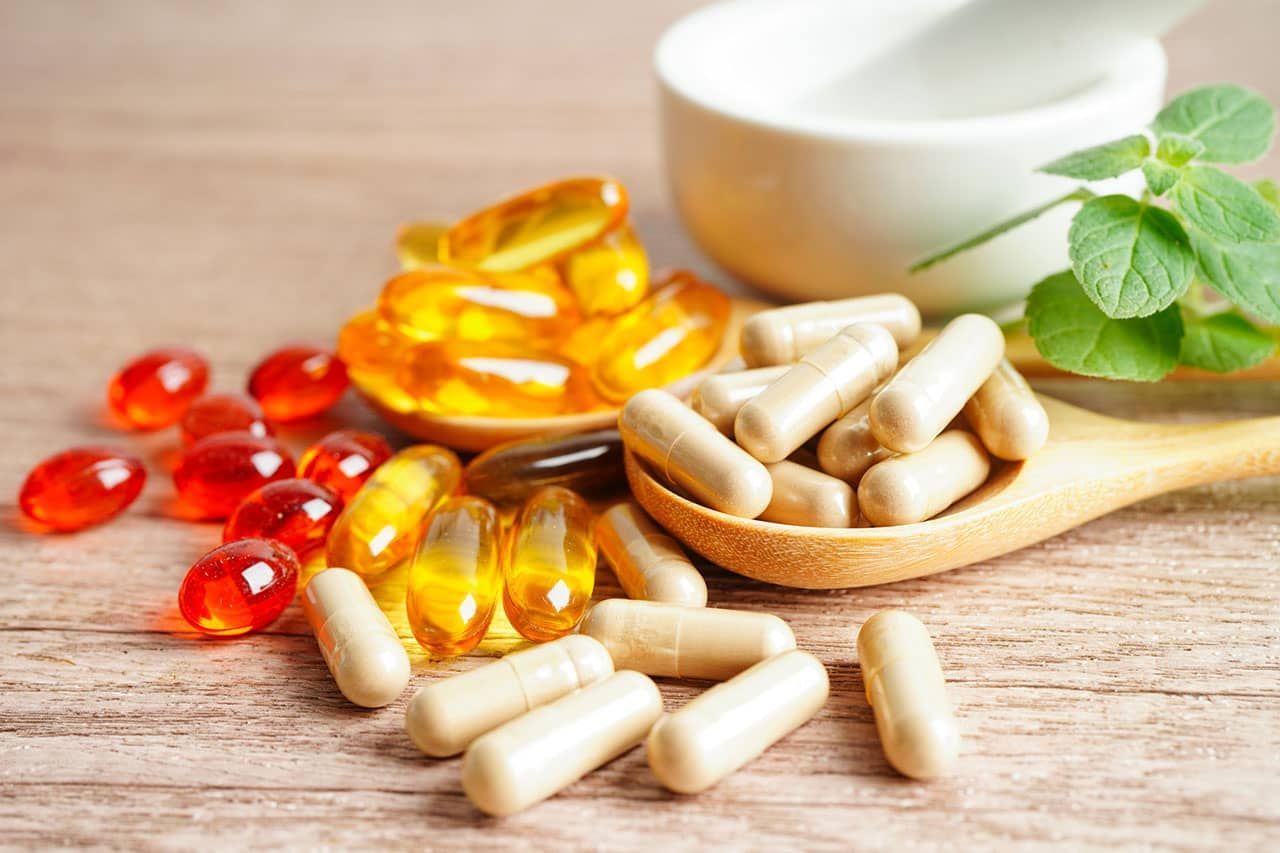
Protein is a vital macronutrient that plays a central role in muscle repair, growth, and overall health. For individuals who engage in regular workouts, especially those involved in strength training or endurance exercises, protein supplementation can be crucial for maximizing performance and recovery. Here's why protein supplements are important when working out.


Muscle Repair and Growth


During exercise, particularly strength training, muscle fibers experience microscopic tears. Protein helps repair these damaged fibers, a process known as muscle protein synthesis. The body uses amino acids from protein to rebuild and strengthen muscles. Without sufficient protein intake, the body may struggle to repair muscles effectively, leading to slower recovery, diminished muscle growth, and an increased risk of injury.


Enhanced Recovery


Post-workout recovery is essential for athletes and fitness enthusiasts to avoid overtraining and burnout. Protein supplements, particularly those that are quickly absorbed, such as whey protein, can speed up the recovery process by providing the necessary amino acids immediately after exercise. This helps reduce muscle soreness and prevents the catabolic effects (muscle breakdown) that can occur when the body lacks adequate protein.


Meeting Increased Protein Demands


When engaging in intense physical activity, the body’s protein needs increase. While whole foods like chicken, eggs, and legumes are excellent protein sources, it can be challenging to consume enough through meals alone, especially for those with busy lifestyles or specific dietary preferences. Protein supplements, such as shakes or bars, offer a convenient and efficient way to meet these heightened demands. These supplements are portable, easy to digest, and provide an excellent source of high-quality protein, making them an ideal addition to a post-workout routine.


Lean Muscle Mass Maintenance


In addition to muscle growth, protein supplementation helps preserve lean muscle mass, especially during periods of weight loss or calorie restriction. Maintaining muscle mass is essential not only for a toned appearance but also for boosting metabolism. Since muscle burns more calories than fat, preserving lean muscle helps in sustaining a healthy metabolism and achieving long-term fitness goals.


Convenience and Variety


Protein supplements come in various forms, including powders, shakes, bars, and ready-to-drink beverages, offering flexibility for individuals with different preferences. Whether it’s a post-workout shake or a mid-day snack, protein supplements can seamlessly integrate into daily routines.


Conclusion


Incorporating protein supplements into your fitness regimen can significantly boost muscle recovery, growth, and overall performance. By helping the body meet increased protein demands, these supplements support muscle repair, enhance recovery, and maintain lean muscle mass. Whether you’re looking to improve your workout results or simplify your nutrition, protein supplements are a valuable tool for anyone committed to their fitness journey.


By True Digital February 19, 2026
Why It's Important to Drink the Right Amount of Water
By True Digital February 19, 2026
The Importance of Buying Clean Supplements
By True Digital February 19, 2026
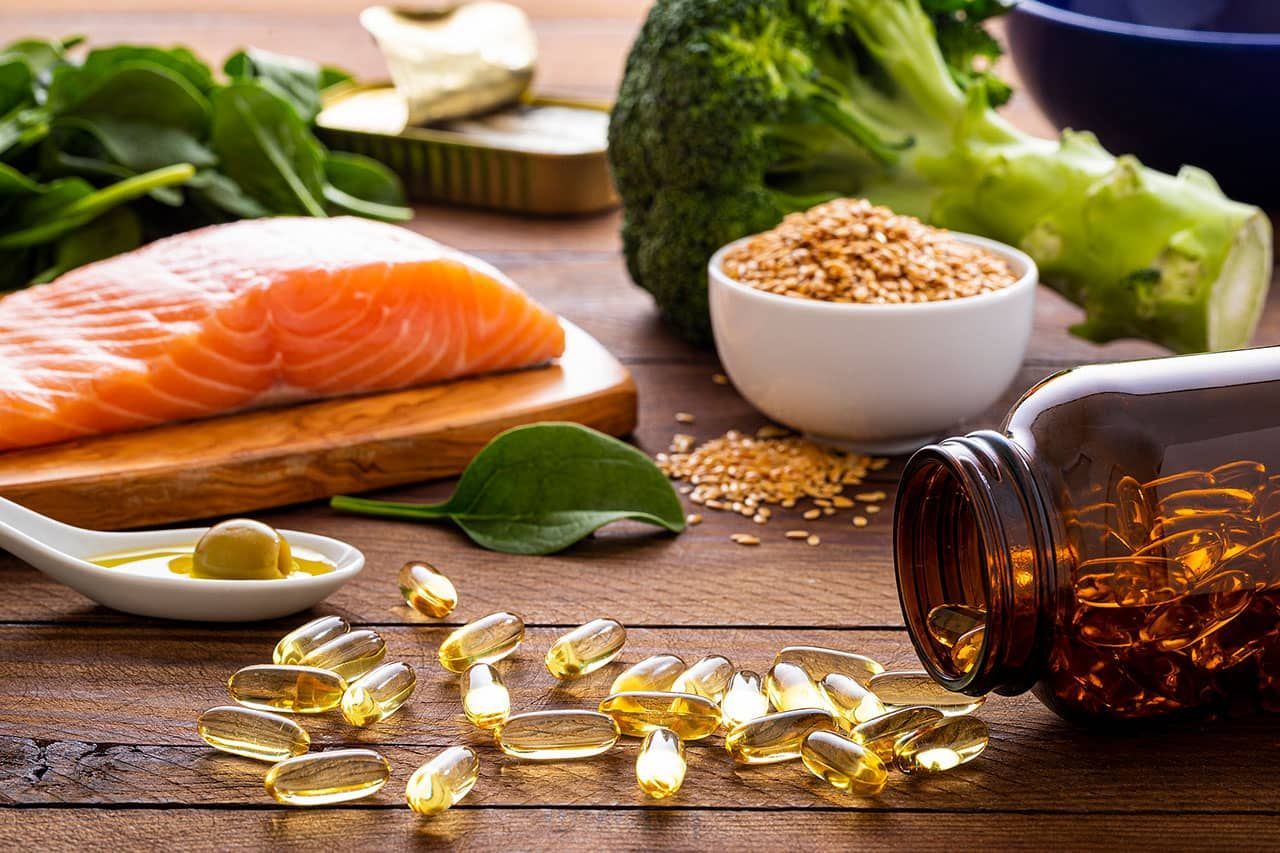
As we age, our bodies go through various changes that can impact our health, and the need for certain nutrients may increase. One such nutrient is omega-3 fatty acids, which are found in fish oil. These healthy fats play a crucial role in maintaining heart, brain, and joint health, making fish oil supplements an important addition to many older adults' diets. Here’s why we may need fish oil supplements as we age. 
By True Digital February 19, 2026
The Importance of Sleep and How Melatonin Supplements Can Help Sleep is an essential aspect of overall health, yet it is often overlooked or undervalued. Quality sleep plays a vital role in physical health, cognitive function, emotional well-being, and longevity. Despite its importance, many people struggle with sleep disorders, irregular sleep patterns, or inadequate rest. In this article, we explore why sleep is crucial for health and how melatonin supplements can support better sleep. Why Sleep is Important Sleep is the body's natural recovery process. During sleep, the body repairs and regenerates tissues, muscles, and organs. It is also during this time that the brain processes memories, consolidates learning, and supports emotional regulation. A proper sleep cycle contributes to various physiological processes, including the regulation of hormones, immune function, and metabolism. One of the key benefits of sleep is its impact on cognitive performance. A well-rested brain is more alert, focused, and able to think critically. Sleep deprivation, on the other hand, can impair concentration, memory retention, and decision-making abilities. Moreover, consistent lack of sleep is linked to an increased risk of chronic conditions such as heart disease, diabetes, and obesity. Emotionally, poor sleep can lead to irritability, mood swings, and even mental health issues like anxiety and depression. Sleep deprivation can disrupt the balance of neurotransmitters in the brain, which regulate mood, leading to emotional instability. Therefore, sufficient and good-quality sleep is essential for maintaining both physical and mental well-being. Melatonin Supplements and Their Role in Sleep Melatonin is a hormone naturally produced by the body, primarily by the pineal gland in the brain. It plays a key role in regulating the sleep-wake cycle, signaling to the body when it's time to sleep. Levels of melatonin increase in the evening as it gets dark, preparing the body for rest. However, factors like stress, exposure to blue light, and irregular sleep patterns can disrupt the natural production of melatonin, leading to difficulties falling or staying asleep. Melatonin supplements are often used to help regulate sleep cycles, especially in individuals with sleep disorders or those experiencing temporary disruptions in their sleep patterns. These supplements can be particularly useful for individuals who have trouble falling asleep due to factors like jet lag, shift work, or insomnia. By taking melatonin supplements in the evening, individuals can help signal to their body that it is time to sleep, making it easier to fall asleep faster and improve overall sleep quality. While melatonin supplements are generally considered safe when used appropriately, it's important to consult a healthcare provider before starting any new supplement regimen, especially for those with existing health conditions or who are taking other medications. Conclusion  Sleep is fundamental to health, influencing everything from brain function to emotional well-being and physical health. For those struggling with sleep issues, melatonin supplements can offer an effective solution by helping to regulate sleep patterns and promote restful sleep. However, it’s important to prioritize good sleep hygiene and consult a healthcare professional for personalized guidance.
By True Digital February 19, 2026
As we age, maintaining the health of our hair and nails can become increasingly challenging. Over time, our bodies experience changes in hormone levels, nutrient absorption, and cell regeneration, all of which can affect the strength and appearance of these important features. While a balanced diet is essential for overall health, hair and nail supplements can offer added benefits as we age, helping to counteract some of these natural changes. 1. Decreased Collagen Production Collagen is a protein that plays a crucial role in maintaining the structure and elasticity of hair, skin, and nails. As we age, collagen production naturally declines, which can lead to weaker nails, thinning hair, and slower growth. Hair and nail supplements often contain ingredients like biotin, vitamin C, and collagen peptides to help support the production of this essential protein, promoting healthier hair and nails. 2. Reduced Nutrient Absorption As we get older, our bodies may become less efficient at absorbing nutrients from food. This decline can lead to deficiencies in key vitamins and minerals such as biotin, zinc, and iron, all of which are essential for healthy hair and nails. Inadequate levels of these nutrients can result in brittle nails, hair thinning, or even hair loss. Supplements can help fill these gaps, ensuring that the body gets the necessary nutrients for optimal hair and nail health. 3. Hormonal Changes Hormonal changes, particularly those associated with menopause in women, can also contribute to hair thinning and brittle nails. Lower estrogen levels can disrupt the natural hair growth cycle, leading to shedding and thinning. Supplements designed for hair and nails often include ingredients like saw palmetto or evening primrose oil, which help to balance hormones and promote stronger, healthier hair and nails. 4. Slower Cell Regeneration As we age, cell turnover slows down, meaning that hair follicles and nail beds regenerate more slowly. This can lead to hair and nail growth that is not only slower but less robust. Supplements rich in vitamins like vitamin A and vitamin E, which support cellular repair and regeneration, can help speed up this process, ensuring that hair and nails grow at their optimal rate. Conclusion Hair and nail supplements can provide valuable support for those experiencing the natural effects of aging. By helping to restore key nutrients, balance hormones, and support collagen production, these supplements may promote healthier, stronger hair and nails. While supplements should never replace a well-balanced diet, they can be a helpful addition to your daily routine as you age. 
By True Digital February 19, 2026
Probiotics, often referred to as "good bacteria," are live microorganisms that offer a host of health benefits when consumed in adequate amounts. Found in foods like yogurt, kefir, sauerkraut, and in supplement form, probiotics play a crucial role in maintaining the balance of beneficial bacteria in the gut. This balance is essential for optimal digestive health, but emerging research suggests that probiotics may also have a far-reaching impact on body-wide inflammation. Chronic inflammation is a key contributor to many health conditions, including heart disease, diabetes, arthritis, and autoimmune disorders. While inflammation is a natural response of the immune system to injury or infection, when it becomes persistent or excessive, it can lead to damage in various tissues and organs. This is where probiotics may play a significant role. By promoting a healthy gut microbiome, probiotics help regulate immune responses and may mitigate the inflammatory processes that can contribute to these chronic diseases. The gut is often referred to as the “second brain” due to its connection to numerous bodily systems. In fact, around 70% of the immune system is housed in the gut, and the state of the gut microbiome can influence immune function. An imbalance in gut bacteria, known as dysbiosis, can lead to heightened immune responses and increased inflammation. Probiotics help restore this balance by encouraging the growth of beneficial bacteria and suppressing harmful microorganisms that can trigger inflammation. Studies have shown that probiotics can help reduce markers of systemic inflammation, such as C-reactive protein (CRP), which is often elevated in individuals with inflammatory conditions. By reducing the production of pro-inflammatory cytokines—proteins that signal immune responses—probiotics can help lower inflammation in both the gut and throughout the body. For example, in people with inflammatory bowel diseases (IBD) like Crohn’s disease and ulcerative colitis, probiotics have been found to alleviate symptoms and improve gut health, indirectly reducing the inflammation associated with these conditions. In addition to digestive health, probiotics have shown promise in addressing inflammation linked to conditions like rheumatoid arthritis, cardiovascular disease, and even neurological disorders like multiple sclerosis. Some studies suggest that probiotics may help regulate the gut-brain axis, reducing inflammation in the central nervous system and improving overall immune function. Incorporating probiotics into the diet may be an effective strategy to combat body-wide inflammation. Though more research is needed to fully understand their long-term benefits, the existing evidence supports their potential to foster better gut health, reduce inflammation, and enhance overall well-being. In conclusion, probiotics are not only vital for gut health but also hold significant promise in managing and reducing chronic inflammation, which could contribute to better overall health and disease prevention.
By True Digital February 19, 2026
Branched-Chain Amino Acids (BCAAs)—comprising leucine, isoleucine, and valine—are essential amino acids that play a vital role in muscle recovery, performance, and overall well-being. Unlike other amino acids, BCAAs are not produced by the body and must be obtained through diet or supplements. While BCAAs are found in protein-rich foods like meat, eggs, and dairy, BCAA powder is a convenient and effective supplement for individuals looking to enhance their fitness and health. 1. Muscle Recovery and Growth One of the primary reasons athletes, bodybuilders, and fitness enthusiasts take BCAA powder is to promote muscle recovery and growth. During intense workouts, muscle fibers undergo stress, and protein breakdown occurs. Leucine, one of the key BCAAs, stimulates muscle protein synthesis, helping muscles repair and grow after exercise. By supplementing with BCAA powder, individuals can reduce muscle soreness and accelerate recovery, ensuring they can train more frequently and with greater intensity. 2. Reduces Muscle Fatigue BCAA powder is also known for its ability to reduce muscle fatigue during prolonged exercise. As you engage in physical activity, tryptophan, a precursor to serotonin, increases in the brain, contributing to feelings of fatigue. BCAAs compete with tryptophan for entry into the brain, effectively lowering serotonin levels and helping you maintain energy and focus during workouts. By delaying the onset of fatigue, BCAAs enable athletes to push through longer, more intense sessions. 3. Supports Weight Loss Another benefit of BCAA powder is its potential to support weight loss. BCAAs help preserve lean muscle mass during calorie restriction, which is critical for individuals trying to shed fat without sacrificing muscle. By reducing muscle breakdown, BCAAs ensure that the body prioritizes fat loss rather than losing muscle tissue. Additionally, BCAA supplementation can improve metabolic rate and fat oxidation, making it an effective addition to a weight loss regimen. 4. Enhances Endurance BCAA powder can improve endurance by increasing the body's ability to utilize fat as a source of energy. This is especially beneficial during prolonged exercise sessions when glycogen stores become depleted. By promoting fat oxidation, BCAAs help sustain energy levels and improve endurance, allowing athletes to perform better over extended periods. Conclusion Incorporating BCAA powder into your fitness routine can significantly enhance muscle recovery, reduce fatigue, support weight loss, and improve endurance. Whether you’re a casual gym-goer or a professional athlete, BCAA supplementation provides a practical way to optimize performance and achieve your fitness goals.
By True Digital February 19, 2026
Autoimmune diseases, where the immune system mistakenly attacks the body’s own cells, can lead to chronic inflammation, pain, and tissue damage. While treatments often involve medications to manage symptoms or suppress immune activity, emerging research suggests that exercise may also play a vital role in managing these conditions, improving quality of life, and potentially modulating the immune system itself. Exercise has long been known to benefit overall health, but its impact on autoimmune diseases is becoming clearer. Regular physical activity can help reduce inflammation, enhance immune function, and improve the body’s ability to manage stress. For individuals with autoimmune diseases like rheumatoid arthritis, lupus, or multiple sclerosis, exercise can offer both physical and psychological benefits. One of the keyways exercise helps is by reducing inflammation. Chronic inflammation is a hallmark of autoimmune conditions. Exercise, particularly moderate-intensity aerobic activities, has been shown to lower markers of inflammation in the body. This occurs through the release of anti-inflammatory cytokines, which are proteins that help regulate immune responses and reduce swelling. Over time, this reduction in inflammation may help alleviate some of the symptoms associated with autoimmune diseases, such as joint pain, stiffness, and fatigue. Furthermore, exercise can improve immune system regulation. The immune system is a complex network, and while it’s designed to protect the body, in autoimmune diseases, it mistakenly targets healthy tissues. Exercise has been shown to improve the balance between pro-inflammatory and anti-inflammatory cells, which could potentially help modulate the immune system’s activity. In fact, regular physical activity helps regulate the levels of specific immune cells, enhancing the body’s ability to recognize and tolerate self-cells without triggering autoimmunity. Mental health is also impacted by exercise, and this is significant in autoimmune diseases, where fatigue, depression, and anxiety are common. Physical activity stimulates the release of endorphins, the body’s natural mood elevators, helping to combat feelings of depression and anxiety. It also provides a sense of achievement and control, which can be empowering for individuals struggling with chronic illness. It’s important to note that not all forms of exercise are suitable for everyone with an autoimmune condition. Intense exercise might exacerbate symptoms for some, so a balanced and individualized approach is essential. Low-impact activities like walking, swimming, yoga, and cycling are often recommended, as they reduce the strain on joints and muscles while still offering significant health benefits. In conclusion, exercise may offer an effective, complementary approach to managing autoimmune diseases. While it is not a cure, regular physical activity can reduce inflammation, regulate immune function, and improve mental well-being, offering those affected by autoimmune conditions a better quality of life.
By True Digital February 19, 2026
The human body is a very complex system where various organs and processes work in tandem to maintain health. Among the many interconnected systems, the gut, often referred to as the “second brain,” plays a pivotal role in overall well-being, particularly in regulating inflammation. Recent scientific research has increasingly highlighted the importance of gut health in controlling inflammation, and how an imbalance in the gut microbiome can contribute to chronic inflammatory conditions. The Role of the Gut Microbiome The gut microbiome refers to the trillions of bacteria, viruses, fungi, and other microorganisms that live within our digestive system. These microbes play a crucial role in digestion, immune function, and the regulation of various bodily processes. When the gut microbiome is balanced, it contributes to good health by aiding in nutrient absorption, producing essential vitamins, and protecting against harmful pathogens. However, an imbalance in this microbial community, a condition known as dysbiosis, can lead to an overactive immune response and increased inflammation. Gut Health and Inflammation: The Connection The gut and the immune system are closely linked, and the gut plays a central role in maintaining immune homeostasis. Around 70% of the immune system is housed in the gut, specifically in the gut-associated lymphoid tissue (GALT). This extensive immune network helps regulate inflammation throughout the body. When the gut microbiome is disrupted, it can lead to an overactivation of the immune system, which in turn triggers inflammation. Inflammation is a natural response by the immune system to injury or infection. However, chronic low-grade inflammation—often referred to as "inflammaging" or "systemic inflammation"—can contribute to the development of various diseases, including heart disease, autoimmune disorders, diabetes, and even cancer. Here’s how poor gut health can contribute to chronic inflammation: Leaky Gut Syndrome: When the gut lining becomes damaged or inflamed, it can result in a condition known as intestinal permeability, or “leaky gut.” This occurs when the tight junctions that normally keep the gut lining intact become loosened, allowing undigested food particles, toxins, and microbes to leak into the bloodstream. The immune system recognizes these foreign particles as threats and mounts an inflammatory response to defend against them. Over time, this can lead to chronic, systemic inflammation. Dysbiosis: An imbalance in the gut microbiome can lead to an overgrowth of harmful bacteria or a reduction in beneficial microbes. For instance, an overgrowth of certain bacteria like Firmicutes or Bacteroidetes may contribute to the production of inflammatory molecules, such as lipopolysaccharides (LPS). These molecules can enter the bloodstream and activate immune cells, leading to inflammation throughout the body. Gut-Immune System Interaction: The gut microbiome directly influences immune cell function. When the balance of microbes shifts, it can alter the production of cytokines, signaling proteins that play a key role in inflammation. For example, an overgrowth of harmful bacteria can trigger the release of pro-inflammatory cytokines, which exacerbate inflammatory processes. Factors That Disrupt Gut Health Several factors can disrupt the gut microbiome and lead to inflammation, including: Diet: Diets high in refined sugars, unhealthy fats, and processed foods can promote the growth of harmful bacteria, while a lack of fiber and fermented foods can deprive beneficial bacteria of the nutrients they need. This dietary imbalance can trigger inflammation. Antibiotic Use: Antibiotics, while essential for treating infections, can also destroy beneficial bacteria in the gut, leading to dysbiosis and inflammation. Overuse of antibiotics or inappropriate prescriptions can exacerbate this issue. Chronic Stress: Long-term stress can negatively affect the gut-brain axis, influencing gut motility, the microbiome, and immune system activity. Stress can lead to an overgrowth of harmful bacteria and increase gut permeability, contributing to inflammation. Lack of Sleep: Poor sleep can interfere with the gut microbiome, reducing its diversity and allowing inflammation to take hold. Sleep deprivation has been shown to alter the balance of gut bacteria and increase systemic inflammation. Environmental Toxins: Exposure to environmental toxins like pollution, pesticides, and other chemicals can also affect gut health and contribute to inflammation. How Improving Gut Health Can Reduce Inflammation Fortunately, improving gut health can have a significant impact on reducing chronic inflammation and mitigating associated diseases. Here are some strategies for enhancing gut health: Eat a Gut-Friendly Diet: A diet rich in fiber, prebiotics, and probiotics supports the growth of beneficial bacteria. Fiber-rich foods like fruits, vegetables, legumes, and whole grains nourish the beneficial bacteria in the gut, while fermented foods such as yogurt, kefir, kimchi, and sauerkraut introduce healthy bacteria into the digestive system. Take Probiotics and Prebiotics: Probiotics are live beneficial bacteria, while prebiotics are non-digestible fibers that feed these bacteria. Together, they help restore a balanced gut microbiome and reduce inflammation. Probiotics have been shown to modulate immune response and decrease the production of pro-inflammatory cytokines. Reduce Stress: Managing stress through mindfulness practices, meditation, yoga, and physical activity can help maintain gut health by reducing cortisol levels and promoting a healthier gut-brain connection. Get Adequate Sleep: Quality sleep is crucial for a balanced microbiome. Sleep helps regulate the immune system, and studies show that proper rest can decrease markers of inflammation. Limit Antibiotic Use: Use antibiotics only when necessary, and consider taking probiotics to restore gut health after a course of antibiotics. Stay Active: Regular physical activity has been shown to support a healthy microbiome, reduce gut permeability, and decrease inflammation in the body. Conclusion Gut health is deeply intertwined with systemic inflammation, and an imbalanced gut microbiome can contribute to chronic inflammation and the development of various diseases. By understanding the connection between gut health and inflammation, individuals can take proactive steps to support their gut microbiome, improve immune function, and reduce the risk of inflammation-related conditions. Healthy dietary choices, stress management, exercise, and adequate sleep can all contribute to a healthier gut and a more balanced, less inflammatory immune system.

By True Digital February 19, 2026
As we age, staying active becomes more important than ever for maintaining overall health and well-being. One of the most beneficial forms of exercise for older adults is cardiovascular exercise, or "cardio." This type of exercise includes activities that get your heart rate up, such as walking, running, cycling, swimming, or dancing. Incorporating regular cardio into your routine offers numerous benefits that become increasingly crucial as we get older. One of the primary reasons cardio is essential as we age is its positive effect on heart health. As we grow older, the heart can become less efficient, and the risk of cardiovascular diseases, such as high blood pressure, heart attacks, and strokes, increases. Regular cardio helps improve circulation, lower blood pressure, and reduce the risk of heart disease. It strengthens the heart muscle, making it more efficient at pumping blood and oxygen throughout the body, which is particularly important as the body’s ability to recover from stress diminishes with age. Additionally, cardio plays a key role in maintaining a healthy weight. Metabolism naturally slows down with age, leading to potential weight gain if lifestyle changes are not made. Cardio exercises help burn calories and increase metabolism, helping to manage weight and prevent obesity-related conditions like type 2 diabetes. This can also improve overall energy levels, making daily activities easier and reducing fatigue. Regular cardiovascular activity also supports mental health. Aging is often accompanied by cognitive decline and an increased risk of mental health issues like depression and anxiety. Cardio exercises release endorphins, the brain’s "feel-good" chemicals, which can help alleviate symptoms of depression and improve mood. Moreover, research suggests that consistent cardio can enhance brain function, boosting memory, focus, and even slowing the progression of conditions like dementia. Another significant benefit of cardio is its impact on bone health. As we age, bone density decreases, increasing the risk of osteoporosis and fractures. Weight-bearing cardio activities such as walking and dancing stimulate bone growth and help maintain bone strength. This reduces the risk of falls and fractures, a common concern for older adults. Finally, cardio is crucial for maintaining mobility and flexibility. It helps improve stamina, balance, and coordination, which are essential for maintaining independence as we age. Regular cardiovascular exercise can also alleviate joint pain and stiffness, particularly in individuals with arthritis, allowing for a better quality of life and greater freedom in performing everyday tasks. Incorporating cardio into your routine as you age is vital for maintaining heart health, mental well-being, weight management, and mobility. It’s never too late to start, and even moderate activities can have significant positive impacts on aging bodies and minds.