
GET IN TOUCH
BLOG

If you’ve ever wondered why reducing sugar intake often leads to easier fat loss, the answer lies in how your body selects and prioritizes fuel. The human body is designed to run on two primary energy sources: glucose (derived mainly from carbohydrates and sugar) and fat (either from dietary fat or stored body fat). While it can technically use both, it strongly prefers to burn glucose when it’s readily available. This preference isn’t accidental — it’s hormonally regulated and deeply tied to survival biology. When sugar intake is frequent and consistent, your metabolism shifts in a way that makes fat burning significantly more difficult. Let’s break down how this works in more detail.

Why It's Important to Drink the Right Amount of Water
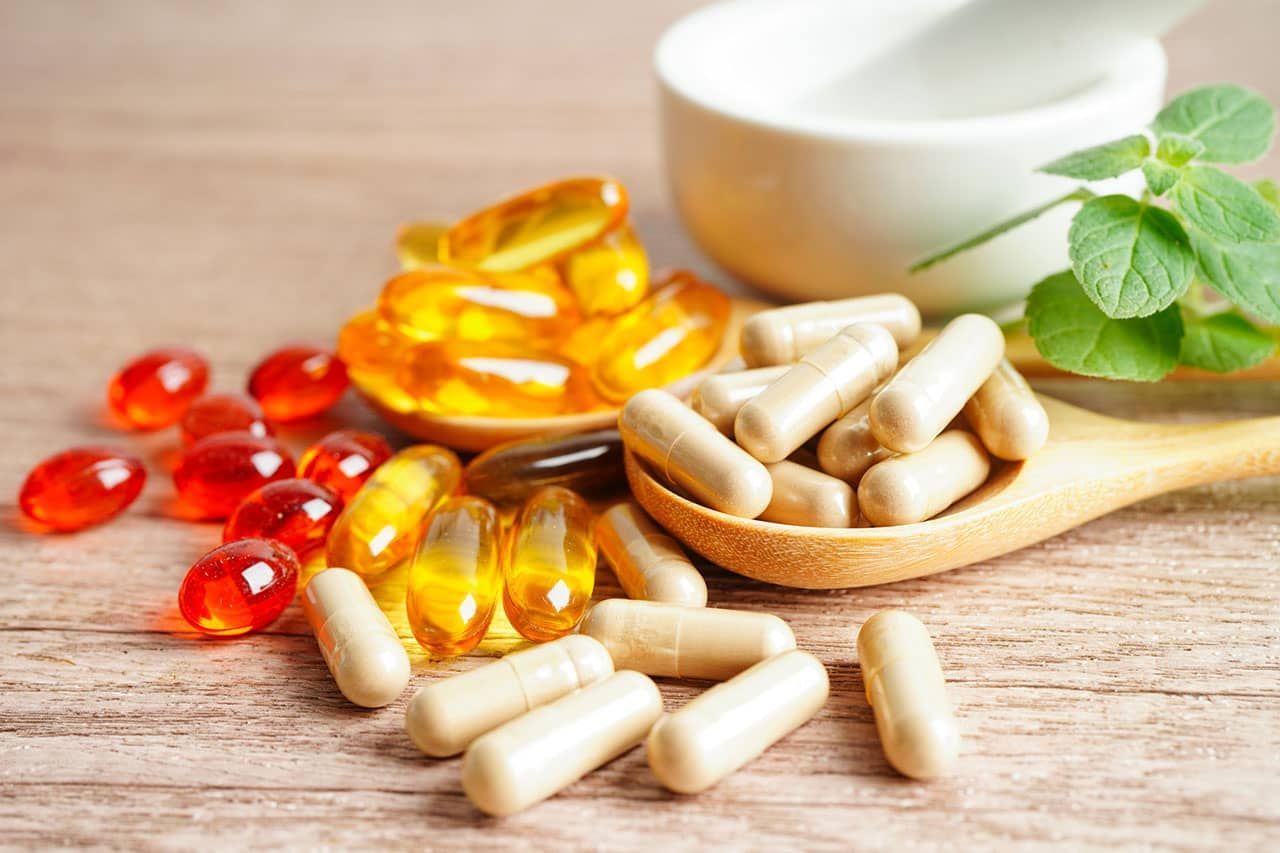
The Importance of Buying Clean Supplements
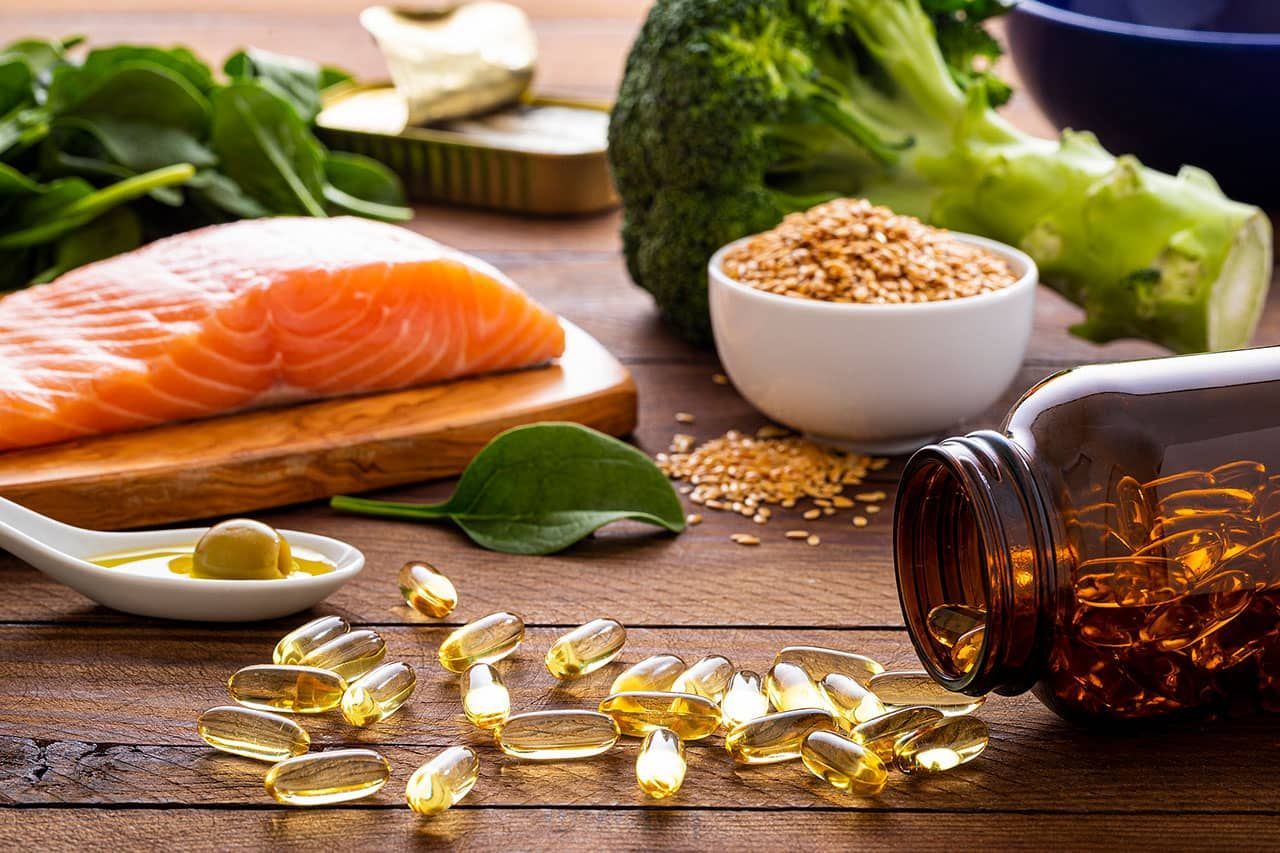
As we age, our bodies go through various changes that can impact our health, and the need for certain nutrients may increase. One such nutrient is omega-3 fatty acids, which are found in fish oil. These healthy fats play a crucial role in maintaining heart, brain, and joint health, making fish oil supplements an important addition to many older adults' diets. Here’s why we may need fish oil supplements as we age.

The Importance of Sleep and How Melatonin Supplements Can Help Sleep is an essential aspect of overall health, yet it is often overlooked or undervalued. Quality sleep plays a vital role in physical health, cognitive function, emotional well-being, and longevity. Despite its importance, many people struggle with sleep disorders, irregular sleep patterns, or inadequate rest. In this article, we explore why sleep is crucial for health and how melatonin supplements can support better sleep. Why Sleep is Important Sleep is the body's natural recovery process. During sleep, the body repairs and regenerates tissues, muscles, and organs. It is also during this time that the brain processes memories, consolidates learning, and supports emotional regulation. A proper sleep cycle contributes to various physiological processes, including the regulation of hormones, immune function, and metabolism. One of the key benefits of sleep is its impact on cognitive performance. A well-rested brain is more alert, focused, and able to think critically. Sleep deprivation, on the other hand, can impair concentration, memory retention, and decision-making abilities. Moreover, consistent lack of sleep is linked to an increased risk of chronic conditions such as heart disease, diabetes, and obesity. Emotionally, poor sleep can lead to irritability, mood swings, and even mental health issues like anxiety and depression. Sleep deprivation can disrupt the balance of neurotransmitters in the brain, which regulate mood, leading to emotional instability. Therefore, sufficient and good-quality sleep is essential for maintaining both physical and mental well-being. Melatonin Supplements and Their Role in Sleep Melatonin is a hormone naturally produced by the body, primarily by the pineal gland in the brain. It plays a key role in regulating the sleep-wake cycle, signaling to the body when it's time to sleep. Levels of melatonin increase in the evening as it gets dark, preparing the body for rest. However, factors like stress, exposure to blue light, and irregular sleep patterns can disrupt the natural production of melatonin, leading to difficulties falling or staying asleep. Melatonin supplements are often used to help regulate sleep cycles, especially in individuals with sleep disorders or those experiencing temporary disruptions in their sleep patterns. These supplements can be particularly useful for individuals who have trouble falling asleep due to factors like jet lag, shift work, or insomnia. By taking melatonin supplements in the evening, individuals can help signal to their body that it is time to sleep, making it easier to fall asleep faster and improve overall sleep quality. While melatonin supplements are generally considered safe when used appropriately, it's important to consult a healthcare provider before starting any new supplement regimen, especially for those with existing health conditions or who are taking other medications. Conclusion Sleep is fundamental to health, influencing everything from brain function to emotional well-being and physical health. For those struggling with sleep issues, melatonin supplements can offer an effective solution by helping to regulate sleep patterns and promote restful sleep. However, it’s important to prioritize good sleep hygiene and consult a healthcare professional for personalized guidance.

As we age, maintaining the health of our hair and nails can become increasingly challenging. Over time, our bodies experience changes in hormone levels, nutrient absorption, and cell regeneration, all of which can affect the strength and appearance of these important features. While a balanced diet is essential for overall health, hair and nail supplements can offer added benefits as we age, helping to counteract some of these natural changes. 1. Decreased Collagen Production Collagen is a protein that plays a crucial role in maintaining the structure and elasticity of hair, skin, and nails. As we age, collagen production naturally declines, which can lead to weaker nails, thinning hair, and slower growth. Hair and nail supplements often contain ingredients like biotin, vitamin C, and collagen peptides to help support the production of this essential protein, promoting healthier hair and nails. 2. Reduced Nutrient Absorption As we get older, our bodies may become less efficient at absorbing nutrients from food. This decline can lead to deficiencies in key vitamins and minerals such as biotin, zinc, and iron, all of which are essential for healthy hair and nails. Inadequate levels of these nutrients can result in brittle nails, hair thinning, or even hair loss. Supplements can help fill these gaps, ensuring that the body gets the necessary nutrients for optimal hair and nail health. 3. Hormonal Changes Hormonal changes, particularly those associated with menopause in women, can also contribute to hair thinning and brittle nails. Lower estrogen levels can disrupt the natural hair growth cycle, leading to shedding and thinning. Supplements designed for hair and nails often include ingredients like saw palmetto or evening primrose oil, which help to balance hormones and promote stronger, healthier hair and nails. 4. Slower Cell Regeneration As we age, cell turnover slows down, meaning that hair follicles and nail beds regenerate more slowly. This can lead to hair and nail growth that is not only slower but less robust. Supplements rich in vitamins like vitamin A and vitamin E, which support cellular repair and regeneration, can help speed up this process, ensuring that hair and nails grow at their optimal rate. Conclusion Hair and nail supplements can provide valuable support for those experiencing the natural effects of aging. By helping to restore key nutrients, balance hormones, and support collagen production, these supplements may promote healthier, stronger hair and nails. While supplements should never replace a well-balanced diet, they can be a helpful addition to your daily routine as you age.

Protein is a vital macronutrient that plays a central role in muscle repair, growth, and overall health. For individuals who engage in regular workouts, especially those involved in strength training or endurance exercises, protein supplementation can be crucial for maximizing performance and recovery. Here's why protein supplements are important when working out. Muscle Repair and Growth During exercise, particularly strength training, muscle fibers experience microscopic tears. Protein helps repair these damaged fibers, a process known as muscle protein synthesis. The body uses amino acids from protein to rebuild and strengthen muscles. Without sufficient protein intake, the body may struggle to repair muscles effectively, leading to slower recovery, diminished muscle growth, and an increased risk of injury. Enhanced Recovery Post-workout recovery is essential for athletes and fitness enthusiasts to avoid overtraining and burnout. Protein supplements, particularly those that are quickly absorbed, such as whey protein, can speed up the recovery process by providing the necessary amino acids immediately after exercise. This helps reduce muscle soreness and prevents the catabolic effects (muscle breakdown) that can occur when the body lacks adequate protein. Meeting Increased Protein Demands When engaging in intense physical activity, the body’s protein needs increase. While whole foods like chicken, eggs, and legumes are excellent protein sources, it can be challenging to consume enough through meals alone, especially for those with busy lifestyles or specific dietary preferences. Protein supplements, such as shakes or bars, offer a convenient and efficient way to meet these heightened demands. These supplements are portable, easy to digest, and provide an excellent source of high-quality protein, making them an ideal addition to a post-workout routine. Lean Muscle Mass Maintenance In addition to muscle growth, protein supplementation helps preserve lean muscle mass, especially during periods of weight loss or calorie restriction. Maintaining muscle mass is essential not only for a toned appearance but also for boosting metabolism. Since muscle burns more calories than fat, preserving lean muscle helps in sustaining a healthy metabolism and achieving long-term fitness goals. Convenience and Variety Protein supplements come in various forms, including powders, shakes, bars, and ready-to-drink beverages, offering flexibility for individuals with different preferences. Whether it’s a post-workout shake or a mid-day snack, protein supplements can seamlessly integrate into daily routines. Conclusion Incorporating protein supplements into your fitness regimen can significantly boost muscle recovery, growth, and overall performance. By helping the body meet increased protein demands, these supplements support muscle repair, enhance recovery, and maintain lean muscle mass. Whether you’re looking to improve your workout results or simplify your nutrition, protein supplements are a valuable tool for anyone committed to their fitness journey.

Probiotics, often referred to as "good bacteria," are live microorganisms that offer a host of health benefits when consumed in adequate amounts. Found in foods like yogurt, kefir, sauerkraut, and in supplement form, probiotics play a crucial role in maintaining the balance of beneficial bacteria in the gut. This balance is essential for optimal digestive health, but emerging research suggests that probiotics may also have a far-reaching impact on body-wide inflammation. Chronic inflammation is a key contributor to many health conditions, including heart disease, diabetes, arthritis, and autoimmune disorders. While inflammation is a natural response of the immune system to injury or infection, when it becomes persistent or excessive, it can lead to damage in various tissues and organs. This is where probiotics may play a significant role. By promoting a healthy gut microbiome, probiotics help regulate immune responses and may mitigate the inflammatory processes that can contribute to these chronic diseases. The gut is often referred to as the “second brain” due to its connection to numerous bodily systems. In fact, around 70% of the immune system is housed in the gut, and the state of the gut microbiome can influence immune function. An imbalance in gut bacteria, known as dysbiosis, can lead to heightened immune responses and increased inflammation. Probiotics help restore this balance by encouraging the growth of beneficial bacteria and suppressing harmful microorganisms that can trigger inflammation. Studies have shown that probiotics can help reduce markers of systemic inflammation, such as C-reactive protein (CRP), which is often elevated in individuals with inflammatory conditions. By reducing the production of pro-inflammatory cytokines—proteins that signal immune responses—probiotics can help lower inflammation in both the gut and throughout the body. For example, in people with inflammatory bowel diseases (IBD) like Crohn’s disease and ulcerative colitis, probiotics have been found to alleviate symptoms and improve gut health, indirectly reducing the inflammation associated with these conditions. In addition to digestive health, probiotics have shown promise in addressing inflammation linked to conditions like rheumatoid arthritis, cardiovascular disease, and even neurological disorders like multiple sclerosis. Some studies suggest that probiotics may help regulate the gut-brain axis, reducing inflammation in the central nervous system and improving overall immune function. Incorporating probiotics into the diet may be an effective strategy to combat body-wide inflammation. Though more research is needed to fully understand their long-term benefits, the existing evidence supports their potential to foster better gut health, reduce inflammation, and enhance overall well-being. In conclusion, probiotics are not only vital for gut health but also hold significant promise in managing and reducing chronic inflammation, which could contribute to better overall health and disease prevention.